From Ashaiman Streets to Changemaker: Shaukia's Journey of Transformation
Blog post description.
UPI
1/22/20262 min read


Growing up in Sunyani Zongo, one of Ghana’s most underserved urban communities, Shaukia Yakubu witnessed firsthand the challenges that shape the destinies of many young people, from drug abuse and early school dropouts to the daily struggle to survive. Yet, amid these barriers, she found strength, resilience, and a deep desire to rewrite her story.
"I remember feeling invisible," Shaukia reflects. "Like the world had already decided what my story would be before I had a chance to write it myself."
Years later, they transformed those experiences and shared empathy into a national movement. UPI is now a youth-led nonprofit dedicated to empowering young people from Ghana’s low-income communities to move from barriers to pathways, through mentorship, skills development, advocacy, and volunteer action.
“Every young person we reach represents a family transformed, a community strengthened, and a nation renewed,” says Shaukia. “We’re not just changing lives, we’re proving that where you start doesn’t have to define where you end up.”
From mentee to mentor, from student activist to social innovator, Shaukia Yakubu’s story is one of transformation and purpose. It is a reminder that when young people are given the chance to lead, they can redefine what’s possible for generations to come.
Her story began to shift when her siblings and community leaders stepped in as mentors, nurturing her confidence and guiding her toward education and service. Their belief in her potential became the spark that shaped her commitment to helping others.
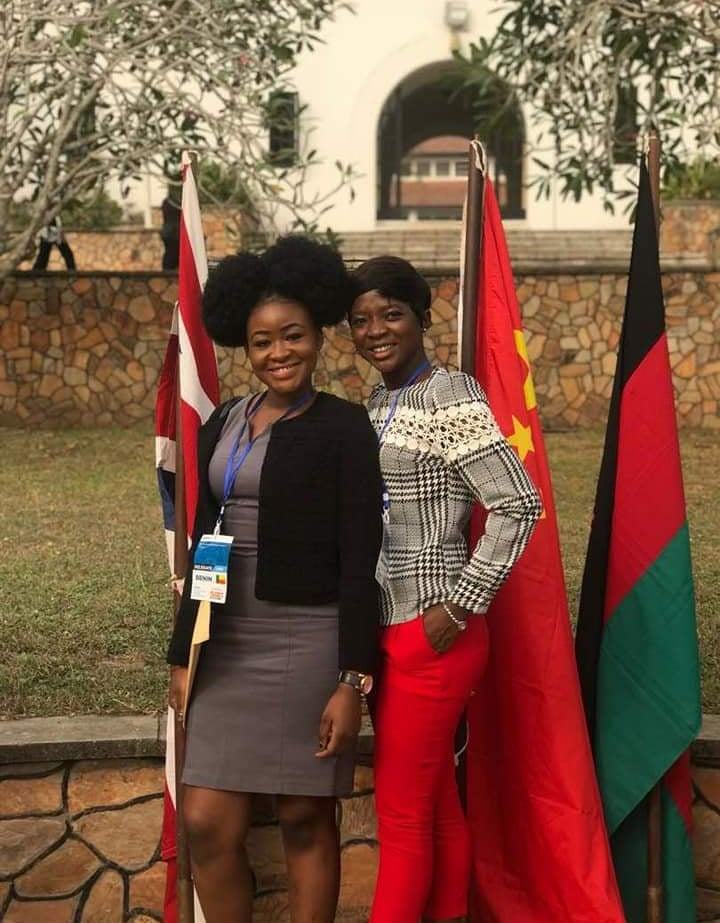
That conviction deepened in 2015, when Shaukia met Dzigbordi Akosua Agbenyo at the Kwame Nkrumah University of Science and Technology (KNUST), where both were studying Sociology and Social Work. Their brilliance, discipline, and relentless drive to succeed brought them together as friends, but it was their shared belief in using education to uplift others that made them sisters in purpose.
Together, they immersed themselves in extracurricular activities and volunteered for numerous social impact projects, mentoring peers and advocating for student welfare. As the first female President of the Sociology Students Association, Shaukia led initiatives that reflected her compassion and foresight. She organized anti-human trafficking workshops for students in response to rising reports of exploitation, launched a student support fund for learners from low-income communities, and hosted celebratory dinners to honor students creating positive change on campus. She also negotiated the inclusion of underprivileged students in the Students’ Representative Council (SRC) bursary, helping peers who struggled to pay fees.
From student politics to academic collaborations and campus outreach, their friendship became a partnership in purpose, learning, leading, and planting the seeds of what would later become the Uncharted Paths Initiative (UPI).